What Are Fractals?

Have you ever seen a pattern that repeats itself over and over, no matter how much you zoom in? That’s called a fractal! You can spot fractals in nature all around you – from the branches of trees to the flakes of snow. Fractals are shapes or patterns that keep repeating themselves at smaller and smaller scales.

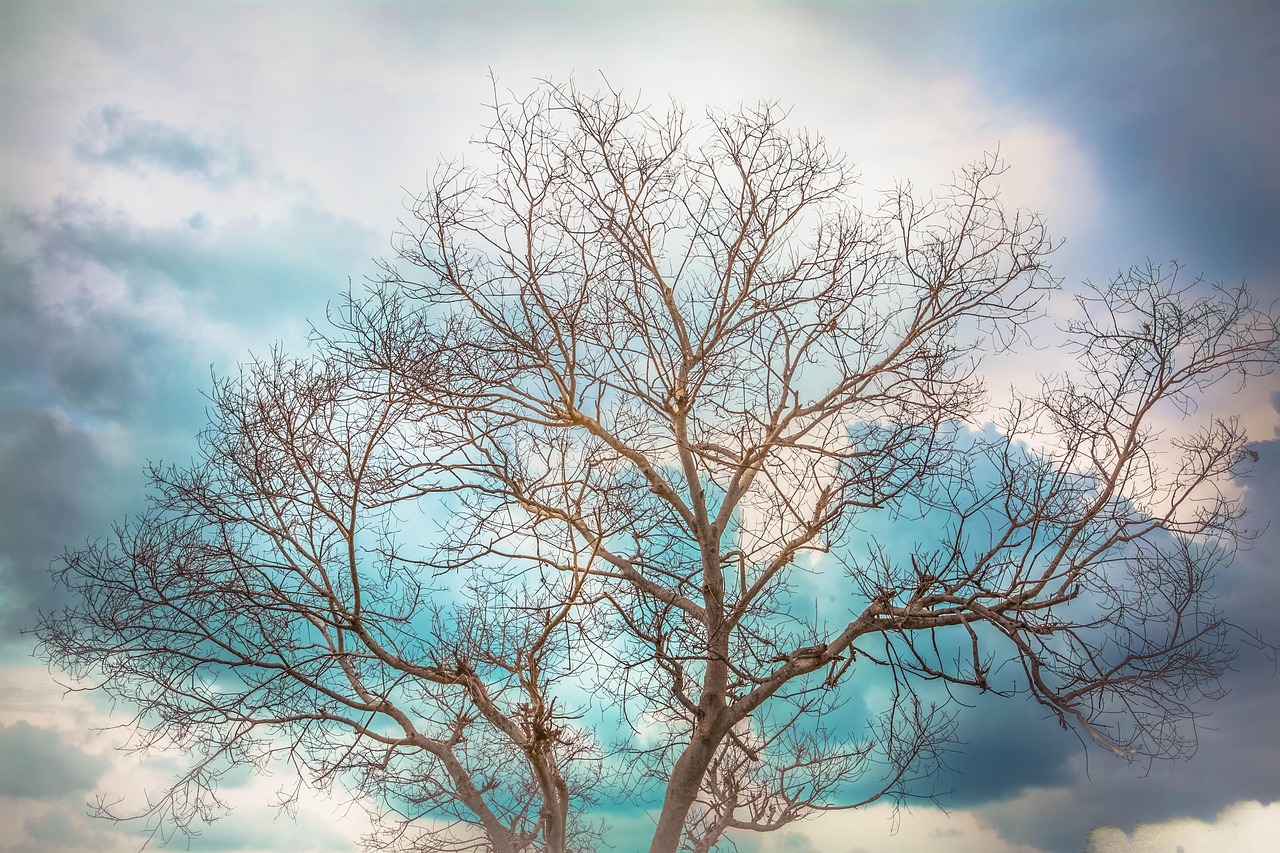
For example, when you look at a tree, the branches split into smaller branches, and those split into even tinier branches. Zoom in on one branch, and you’ll see a smaller version of the whole tree! That’s the magic of fractals – they are self-similar patterns.

Real-Life Examples of Fractals in Nature

Fractals aren’t just cool math concepts – they’re everywhere in the world around us! Here are some amazing examples:

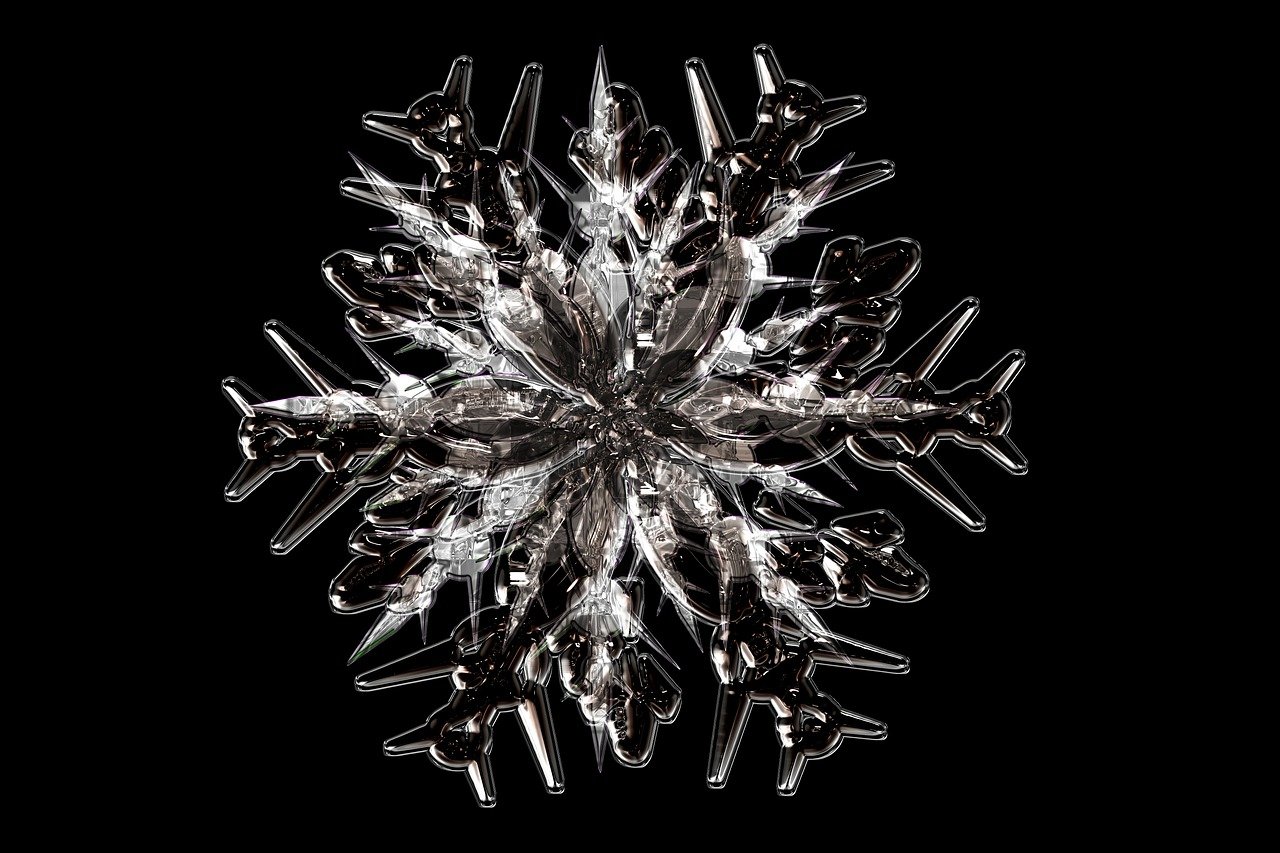
  1. Snowflakes – Each snowflake has a unique, symmetrical design. Zooming in shows repeating fractal patterns.

  2. Trees and Branches – Trunks split into branches, which split into smaller branches, just like mini-trees.

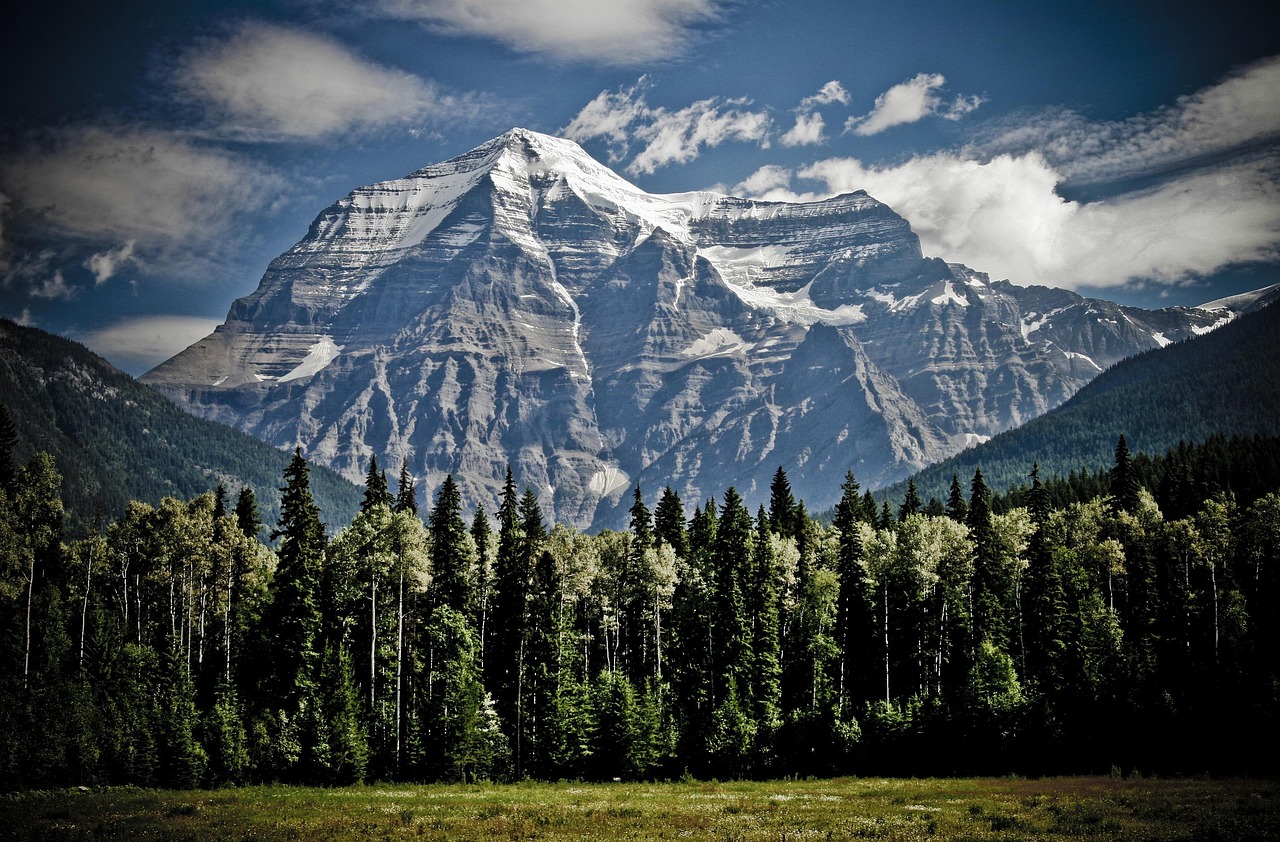
  3. Mountain Ranges – The jagged edges of mountains look the same from far away and up close.

  4. Clouds – Fluffy edges repeat smaller versions of the larger cloud shape.

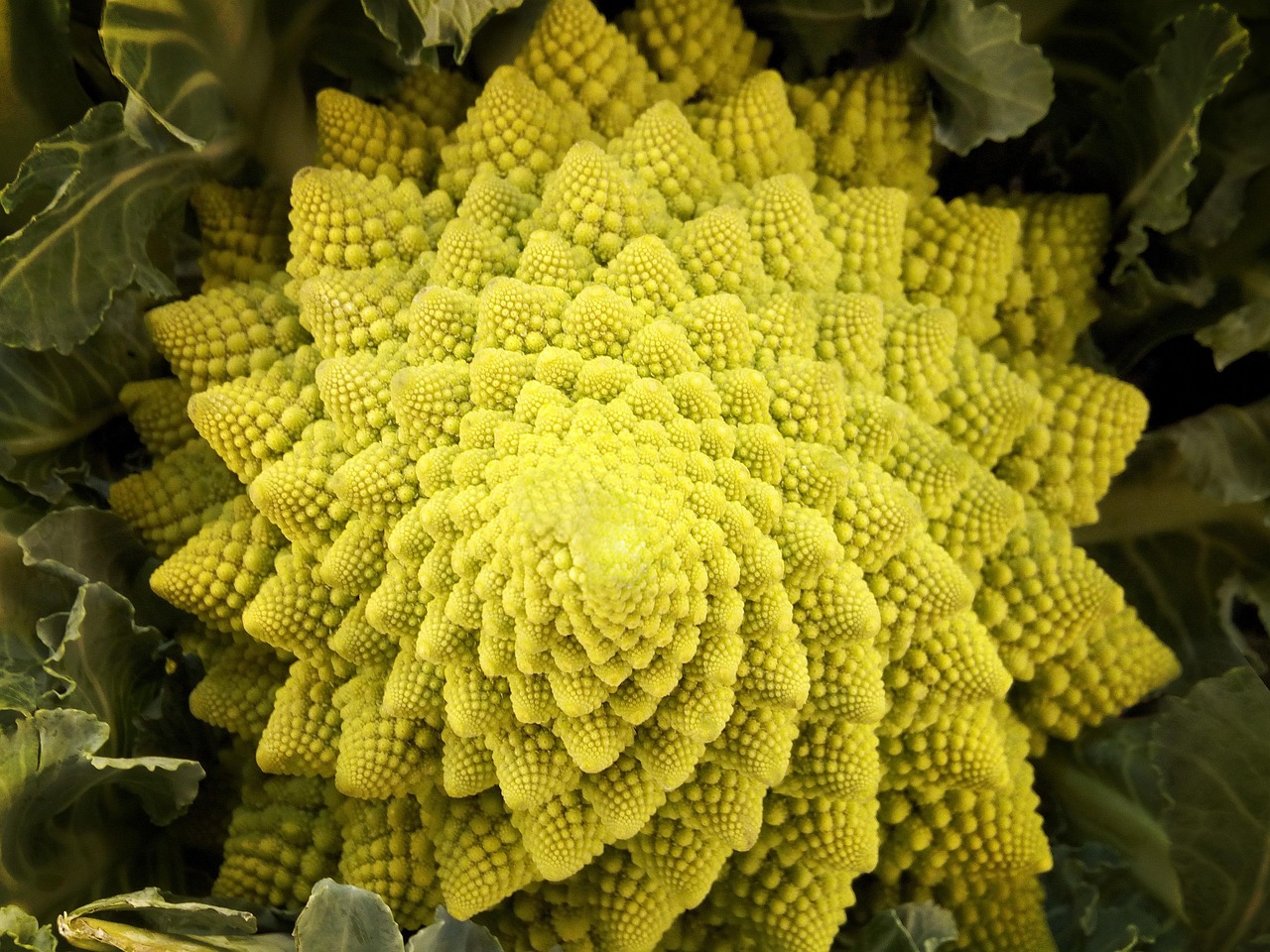
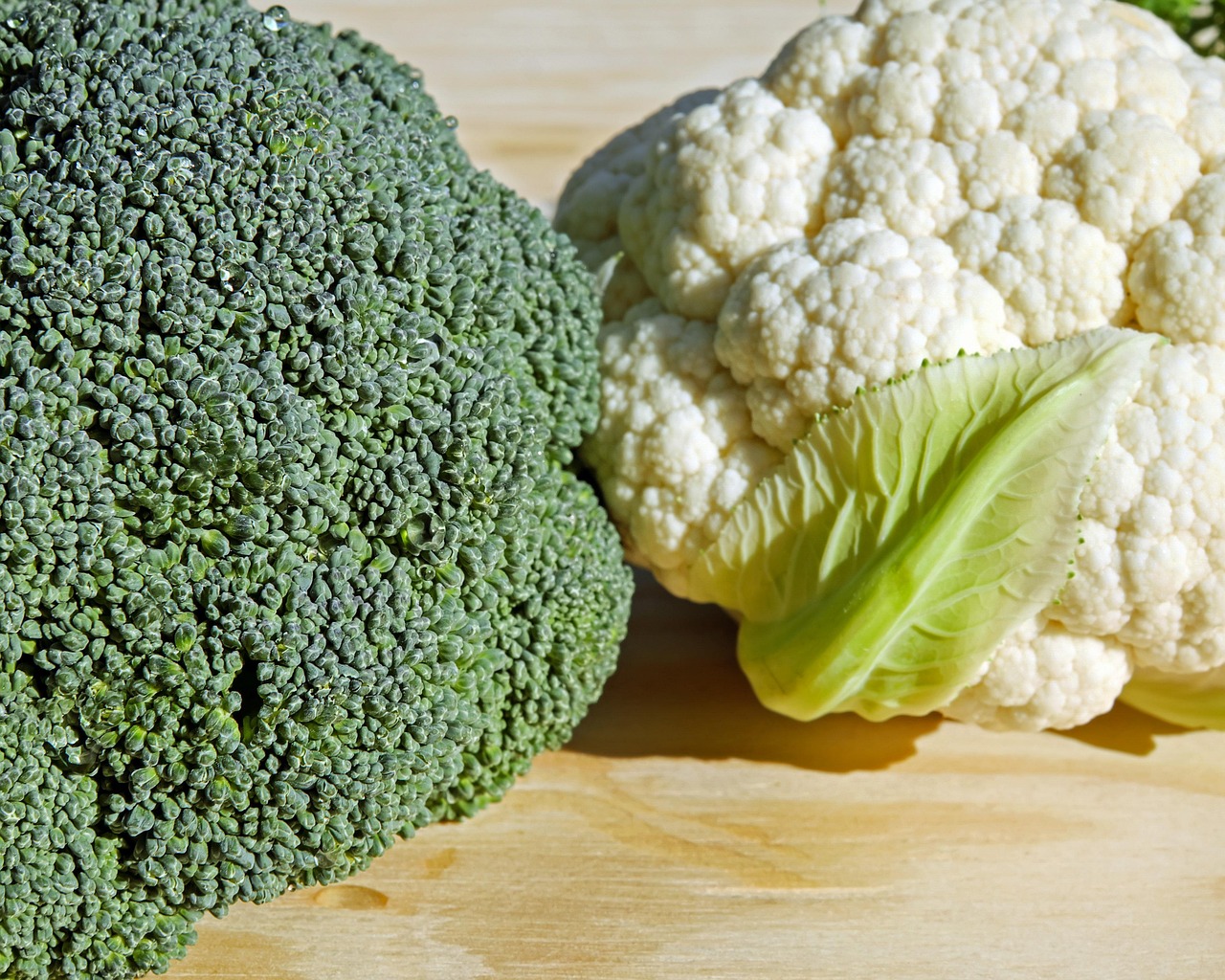
  5. Cauliflower and Broccoli – Each small piece looks like a miniature version of the whole vegetable!

How to Draw Your Own Fractals

You don’t need to be a math genius to create fractals – you just need some simple rules and a bit of creativity.

Try These Fun Fractal Activities:

  • Draw a Sierpinski Triangle – Start with one triangle, remove the middle, and keep repeating.

  • Make a Fractal Fern – Draw one leaf, then add smaller leaves branching off until you get a fern-like shape.

  • Explore Digital Fractals – Use websites or apps to zoom in and out of fractal patterns.

👉 Check out this video tutorial on the Koch Snowflake.
👉 Download free fractal activities here: Fractal Foundation Activities.

Why Fractals Are Important

Fractals show us the connection between math, art, and nature. They help scientists understand how things grow, how weather patterns form, and even how galaxies are shaped. For kids, learning about fractals makes math more fun, visual, and creative.

So next time you’re outside, look around – can you spot fractals in the trees, clouds, or flowers? Then grab a pen and paper and try creating your own fractal masterpiece!

Final Thoughts

Fractals are more than just pretty patterns – they are a window into the hidden mathematics of nature. Whether you’re a curious student, a parent, or a teacher, exploring fractals is a fun way to connect STEM learning with creativity.

Happy exploring, young fractal artists! Don’t forget to share your fractal art in the comments.


Leave a Reply

Your email address will not be published. Required fields are marked *